Civil War Atrocities, Land Battles, and Lingering Identity Tensions Still Haunt the Nation
Editor’s Note: This article was first published in July 2003.
MONROVIA — Human rights reports and investigative findings have shed sustained light on what has been described as a long and troubling pattern of discrimination and targeting of Liberia’s Mandingo community, stretching from the brutal civil war years to continuing ethnic tensions.
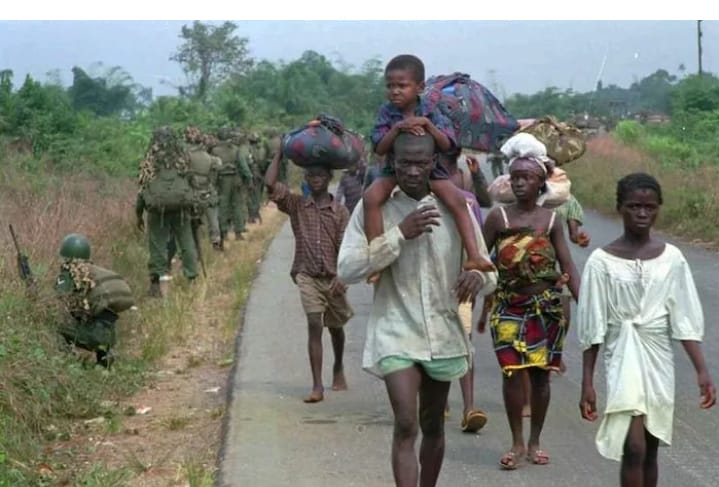
Documented accounts traced violence, forced displacement, and property seizures that disproportionately affected Mandingo civilians during Liberia’s devastating conflicts between 1989 and 2003. Although the country transitioned to democratic governance following the war, experts cautioned that unresolved grievances would likely continue shaping social and political dynamics in parts of the nation.
The Mandingo people, descendants of West African traders and Islamic scholars, have lived in Liberia for centuries. Historically active in commerce and agriculture, they established regional trading networks long before the formation of the modern Liberian state.
Yet despite these deep roots, Mandingoes have frequently faced questions about identity and belonging. In certain regions, narratives portraying them as “outsiders” or “foreigners” persisted, even among families whose lineage in Liberia spans generations.
Observers argued that this identity debate repeatedly resurfaced during periods of political instability, intensifying communal divisions.
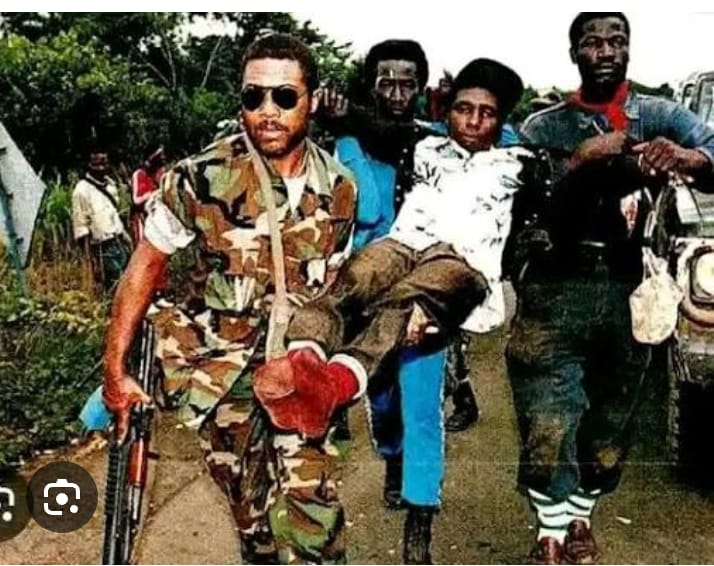
During Liberia’s bloody civil wars, ethnic lines hardened into deadly fault lines. Human rights documentation indicated that Mandingo communities were among those targeted by armed factions seeking territorial control. Armed groups exploited ethnic narratives to consolidate power, leaving Mandingo civilians exposed to violence, intimidation, looting, and occupation of homes and businesses.
Several accounts linked some of these patterns to forces aligned with former warlord and president Charles Taylor, later convicted by an international tribunal for war crimes related to Sierra Leone’s conflict.
War-era records showed thousands of Mandingo families fleeing their homes, seeking refuge in neighboring countries or internally displaced persons camps.
Post-war assessments revealed that wartime displacement triggered long-standing land and property disputes.
Homes and businesses abandoned during fighting were often occupied by others, and attempts by displaced Mandingo families to reclaim property frequently reignited tensions.
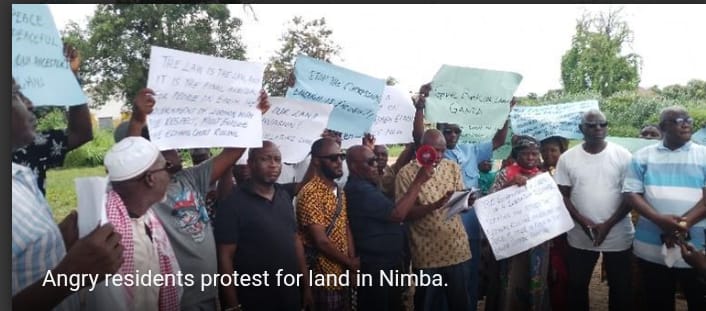
Researchers noted that land governance weaknesses and identity disputes remained deeply intertwined, particularly in counties hardest hit by the conflict.
Although Liberia made measurable democratic gains in the post-war period, observers reported continued patterns of social and economic marginalization in some areas, including claims of political underrepresentation and exclusion from local power structures.
Competition over land, commerce, and political influence often overlapped with ethnic narratives, keeping tensions simmering beneath the surface.
As Liberia continued strengthening its democratic institutions, analysts said a pressing question remained: could the country fully move beyond its ethnic fault lines, or would unresolved tensions continue to shape its future?